










Running waters
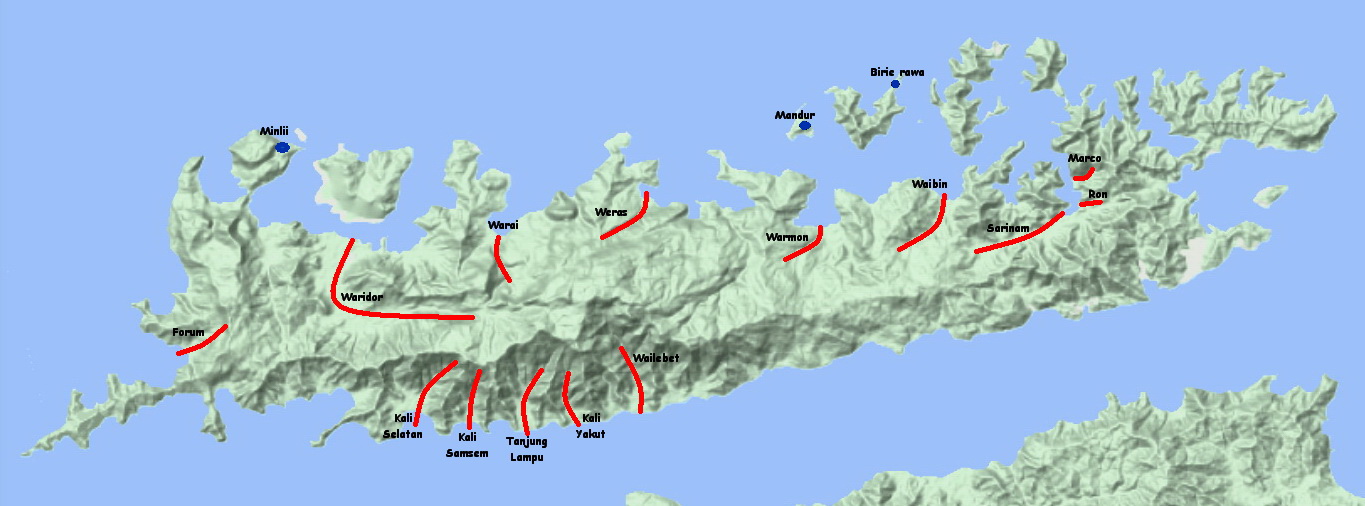
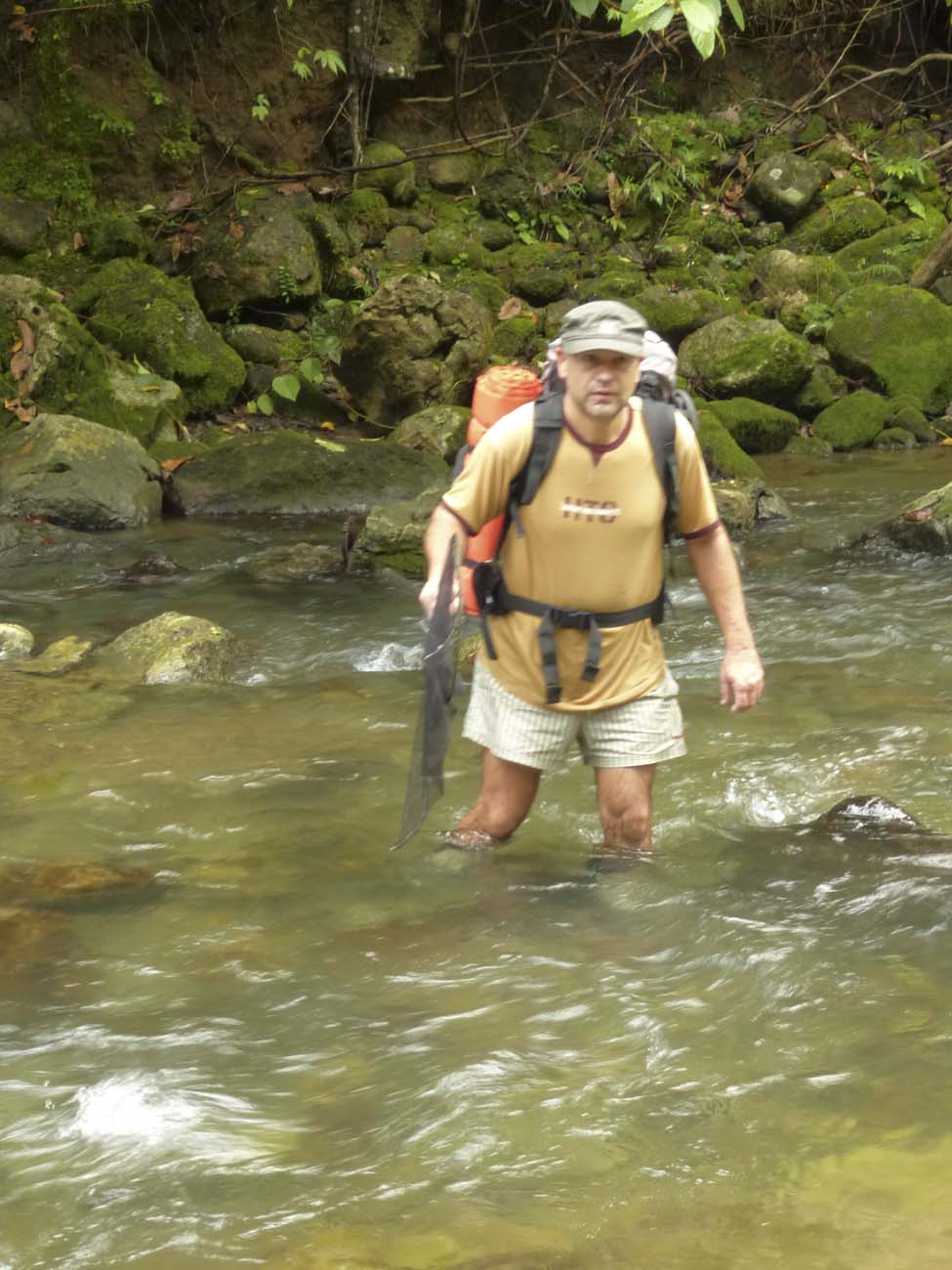
Warmon: A so-called waterfall stream, as it has a 60-metre high waterfall at its head. It has to be navigated through a wide mangrove zone to reach it. It is a fast-flowing, boulder-strewn, rapids-ridden, wide-flowing stream. Only once have we managed to climb and trap above the waterfall. Locals have never been above the falls. Above the waterfall, the stream branches off and springs from a spring a few hundred metres upstream. A hiking trail has been created up to the falls in recent years. It has been trapped dozens of times and collected during the day with a pre-collection. We have collected only once at night.
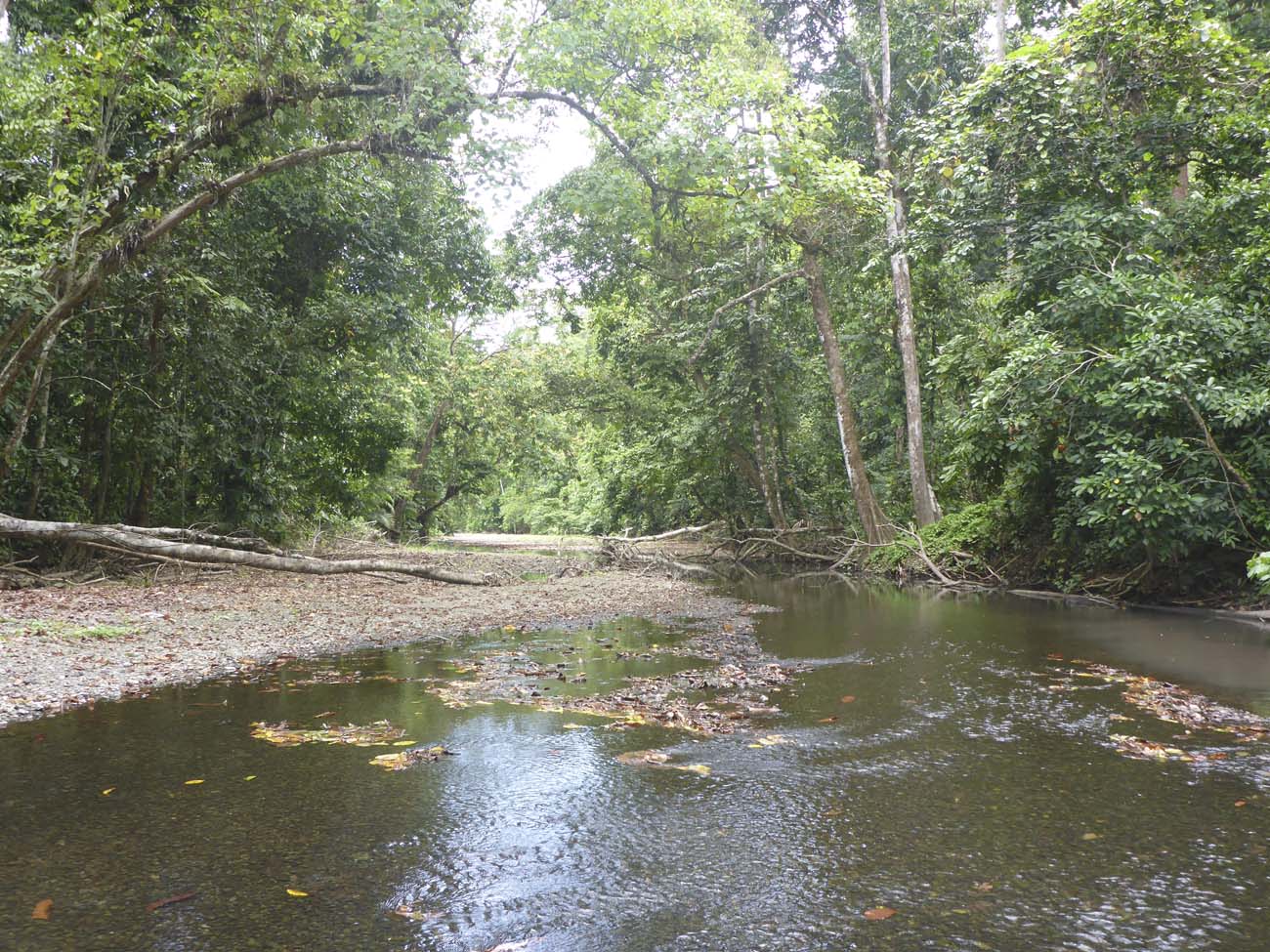
Waibin: You have to sail through a wide mangrove zone to reach it. It is a slow-flowing, meandering, medium-flowing stream. In the upper part, one side branch ends in a 20m high calcareous tufa slope. We collected more than 5 times on the lower and middle reaches during the day and 3 times at night.
Ron: A narrow mangrove zone must be navigated to approach. Not navigable at low tide. There is a small farm and ranch adjacent. We trapped the creek more than 5 times and also did daytime collection. Full length of the creek was travelled due to dragonflies.
Sarinam: A special river in a huge mangrove bay. In fact only the upper, quite narrowed, swampy part has fresh water, fed by a small stream. Its side waters are short and intermittent. Only one light trap has been operated on the upper stream and a few on the side streams.
'Marco's Creek: A small, sometimes dry, short stream with an earthy bed. The light trap was used on a few occasions, the entire length of the stream was traversed by dragonflies.
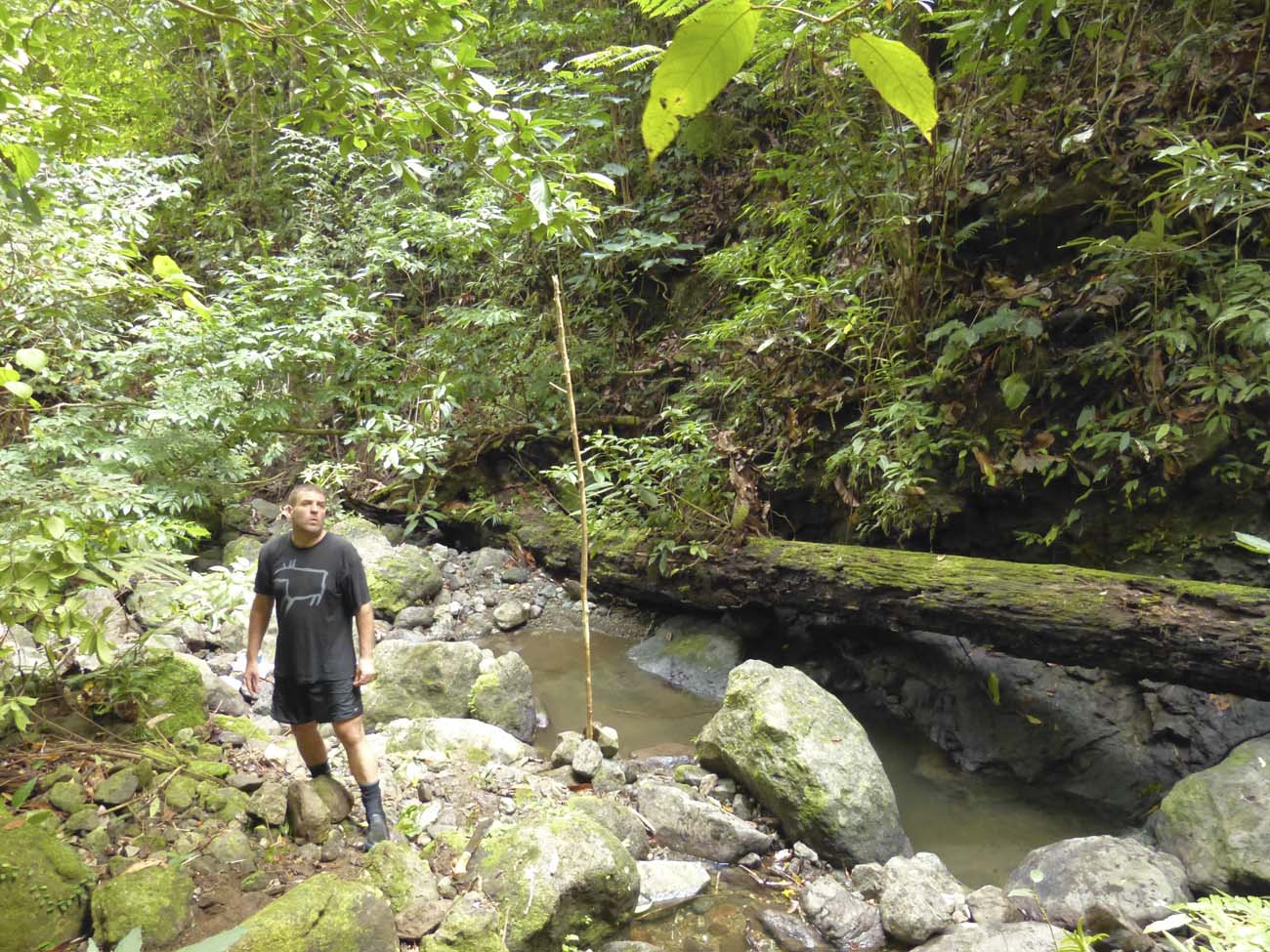
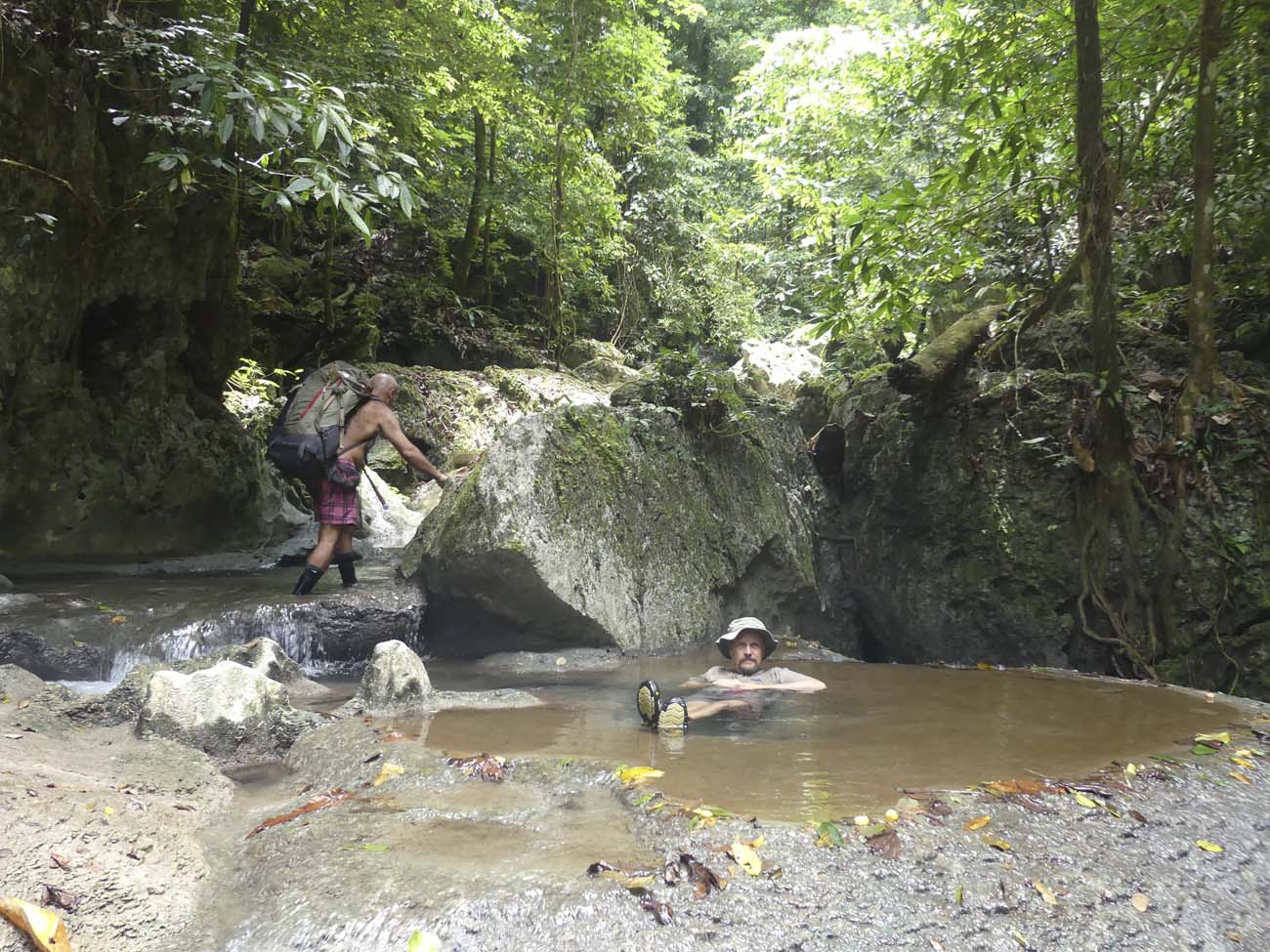
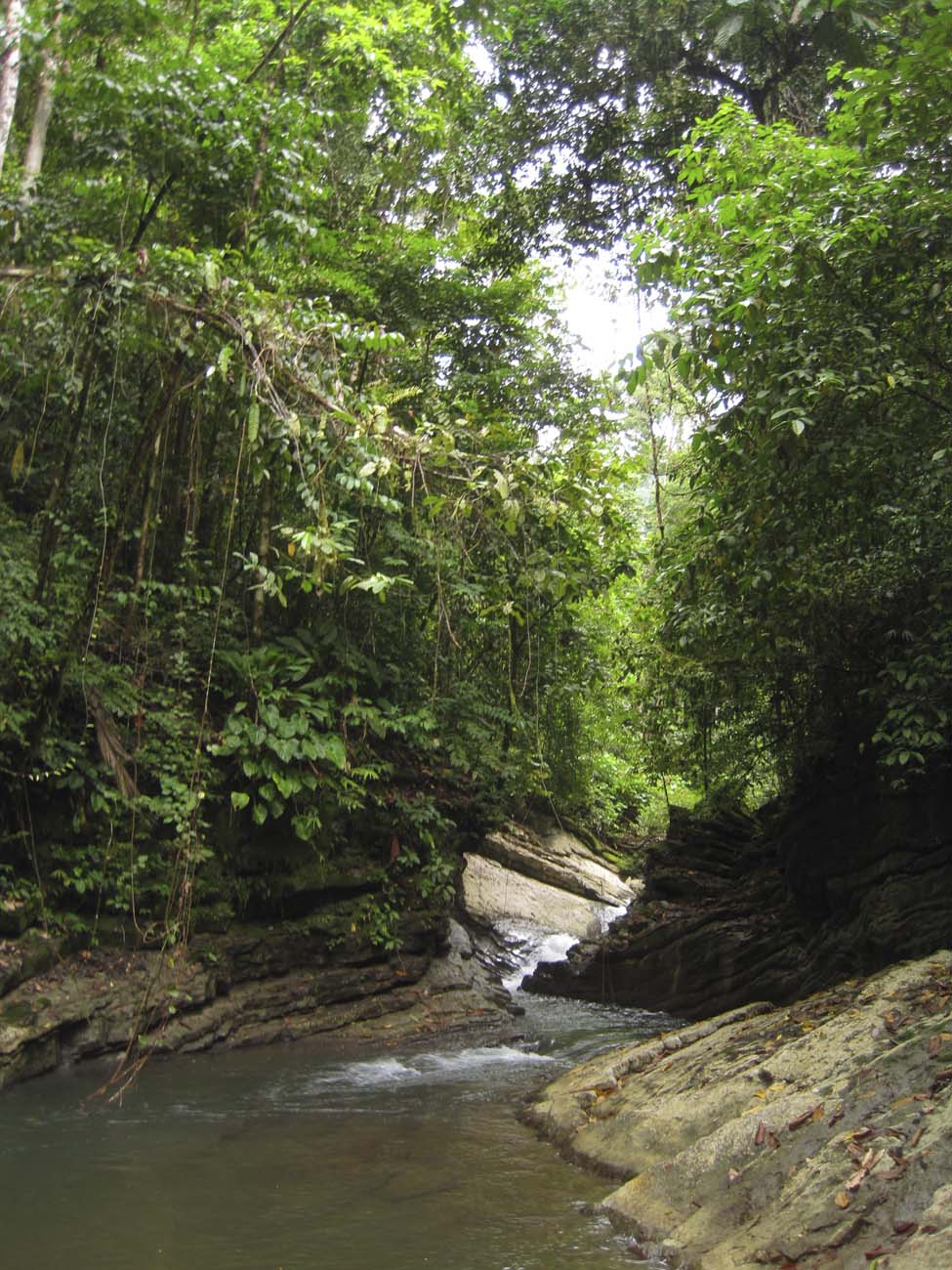
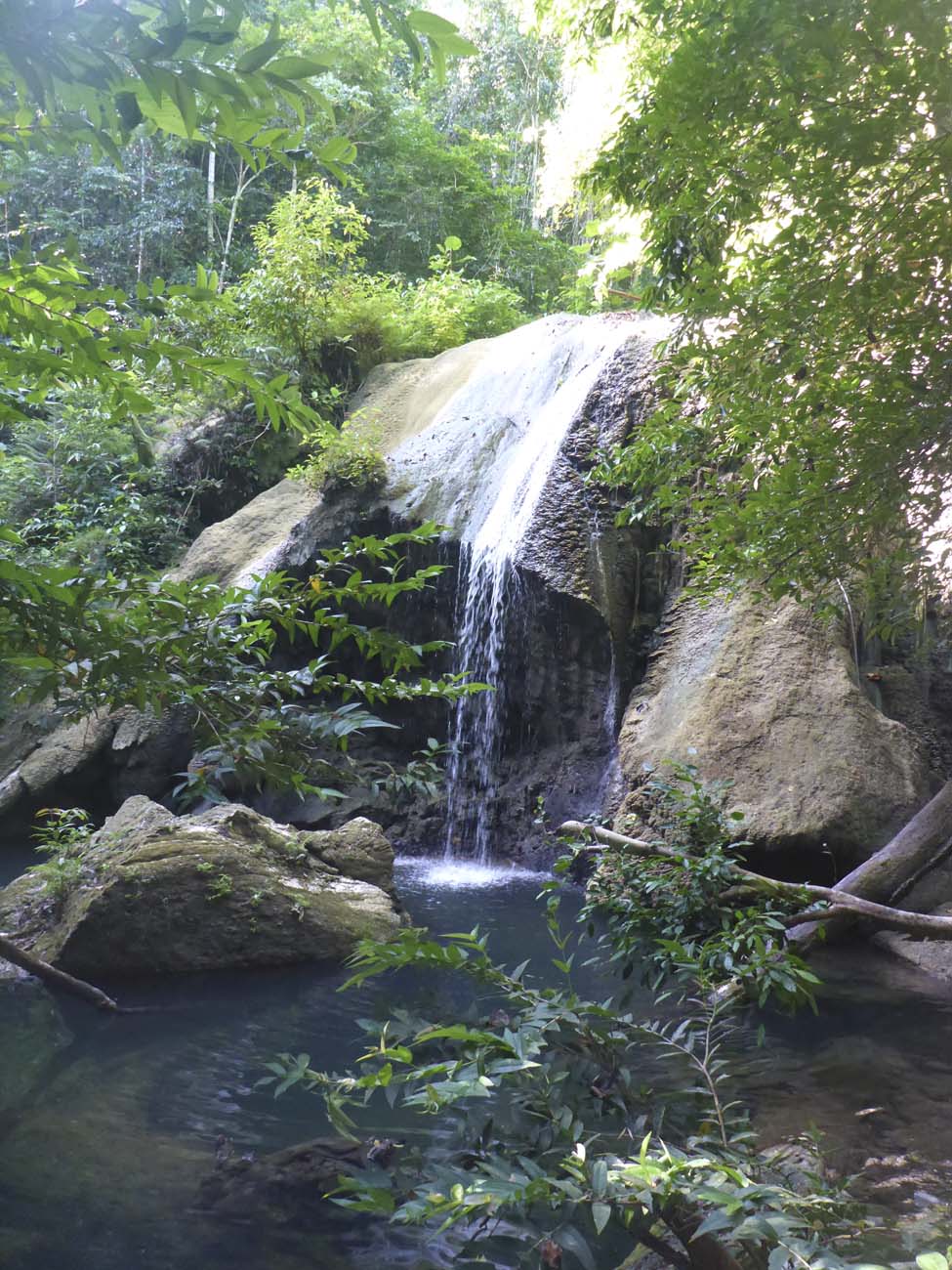
Warai: Perhaps the most beautiful watercourse on the island. It is difficult to access the valley through a wide mangrove zone. Its lower reaches sometimes dry out, but higher up you have to climb up 6-8m calcareous tufa waterfalls. The middle section is again gently sloping, but at the top and at one of the side waterfalls, a steep wall of limestone tufa between 30 and 60-70 metres high makes access difficult. Its source is above 400 m, a spring from a calcareous tufa mass. We have also lamp trapped on a few occasions, but have basically been exploring by night-time single collection lamping on dozens of occasions. The uppermost part was accessed only 1 time. Due to dragonflies, the entire length of the river is covered, but something new and interesting always turns up.
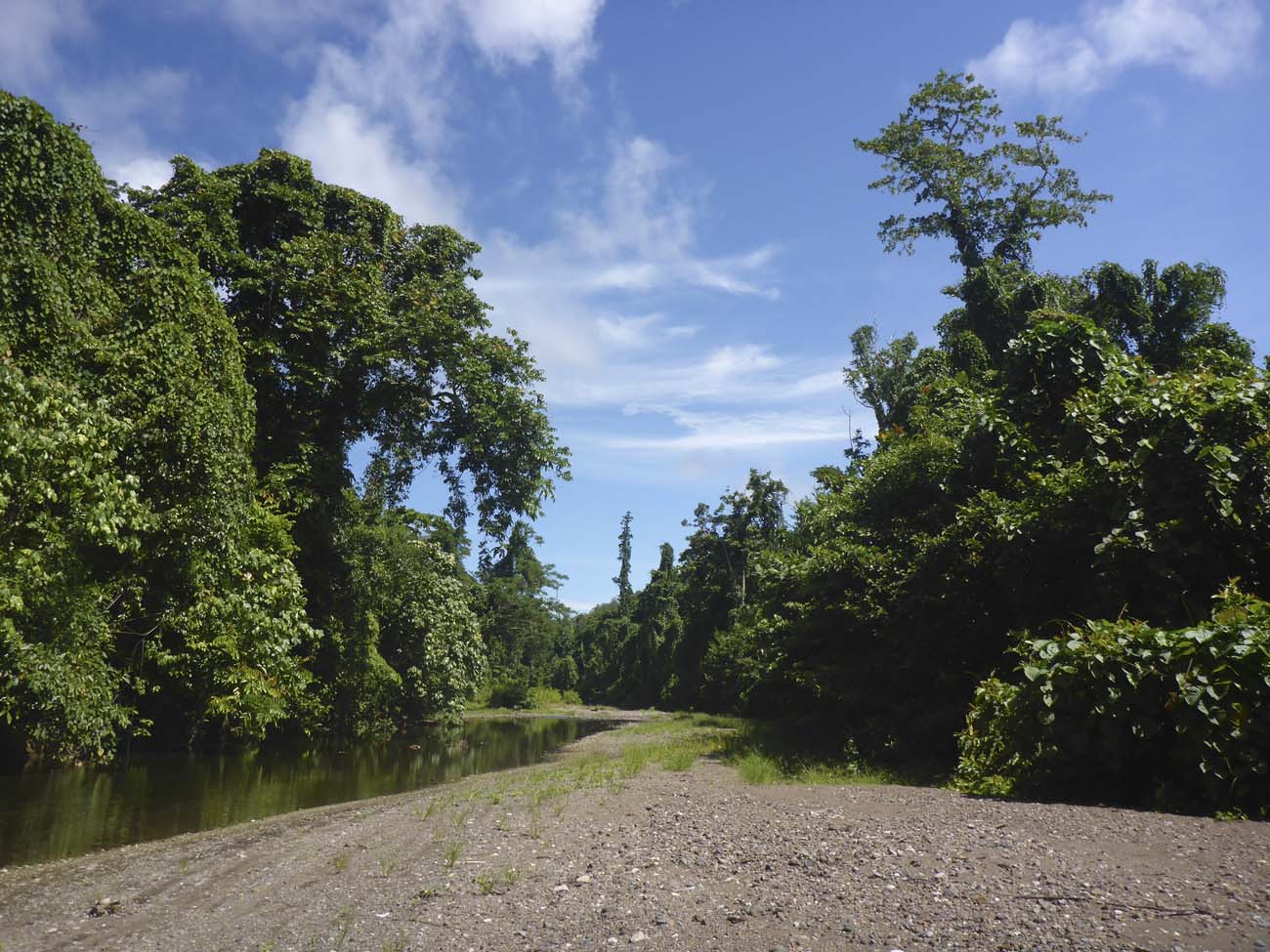
Weras: one of the streams on the north side that is not bordered by mangroves. The riverbed runs out to sea, but we have never seen water in it. 6-700 metres inland, water appears from springs in the riverbed. Upstream, 2-3 m of calcareous tufa stairs dissect the bed, and the valley side is steep and rocky. Above these is a narrow, still-flowing small stream. The stream is trapped on several occasions, and on one occasion collecting by light took place in its middle reaches.
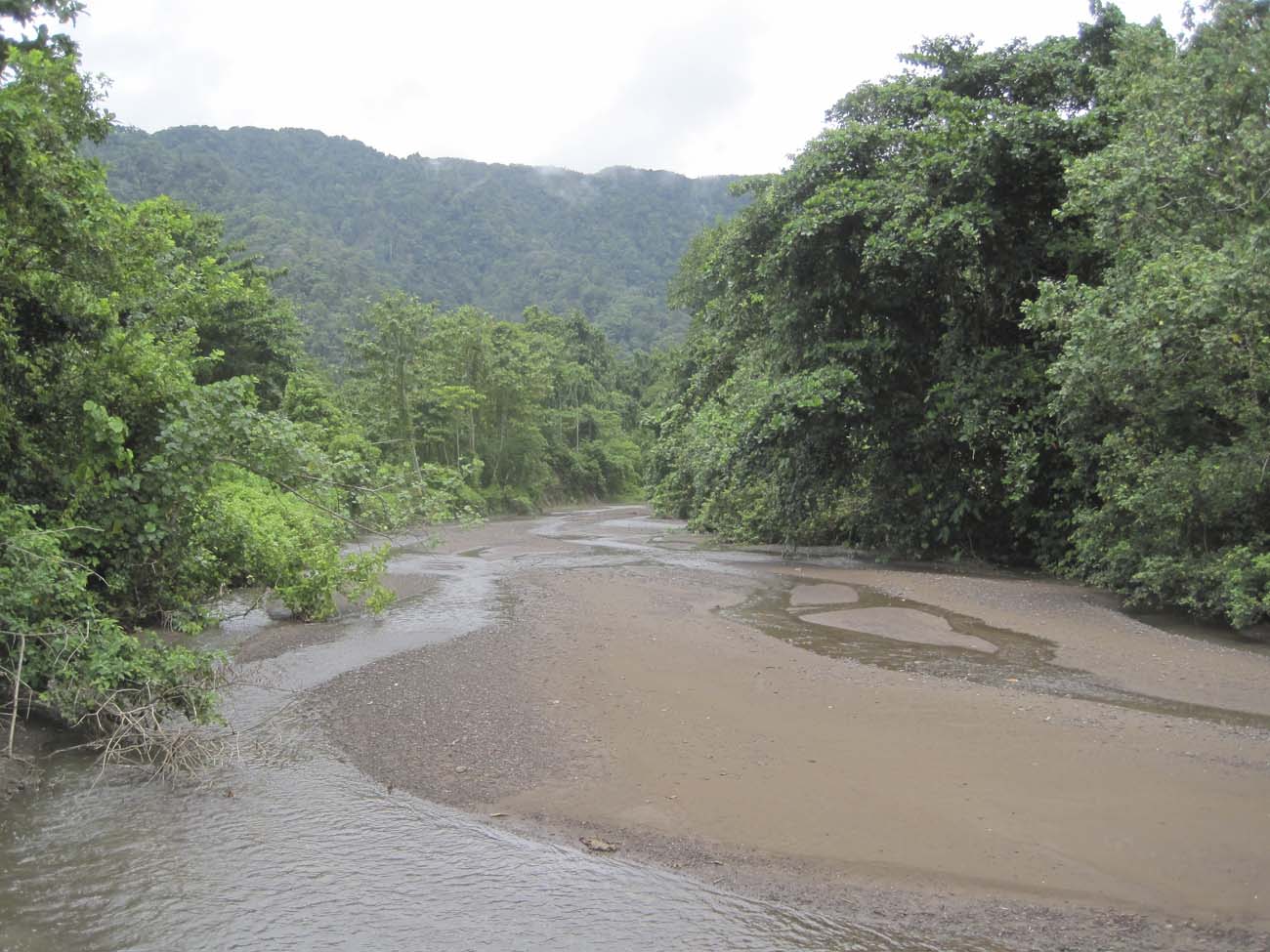
Waridor: the longest stream on the island. The lower part is 20 metres wide, an open bed with several side creeks. The lower section was trapped and lamped at night on several occasions. However, we only made it to the middle, closed section on 1 occasion - 1 day's ascent. We also carried out a full fish faunistic and dragonfish survey in the lower section.
Forum: one of the most isolated streams on the island, several hours from any settlement. It has an 8-metre waterfall in the lower reaches to block its channel from intrusion. We collected 4 times with light in the middle section, while a light trap was operating downstream. Regarding the dragonflies it always hides something interesting.
Wailebet: A small stream that provides water for the settlement. Sometimes the flow drops off completely and only the pools have water. The lower reaches regularly dry up. The spring is where the village water is drained. It is navigable along its entire length due to dragonflies. There has also been a light collection here.
Tanjung Lampu: A stream with variable flow, the lower reaches regularly dry up. It has been surveyed several times for dragonflies, but always turns up something interesting. It has been surveyed several times by night collecting by light.
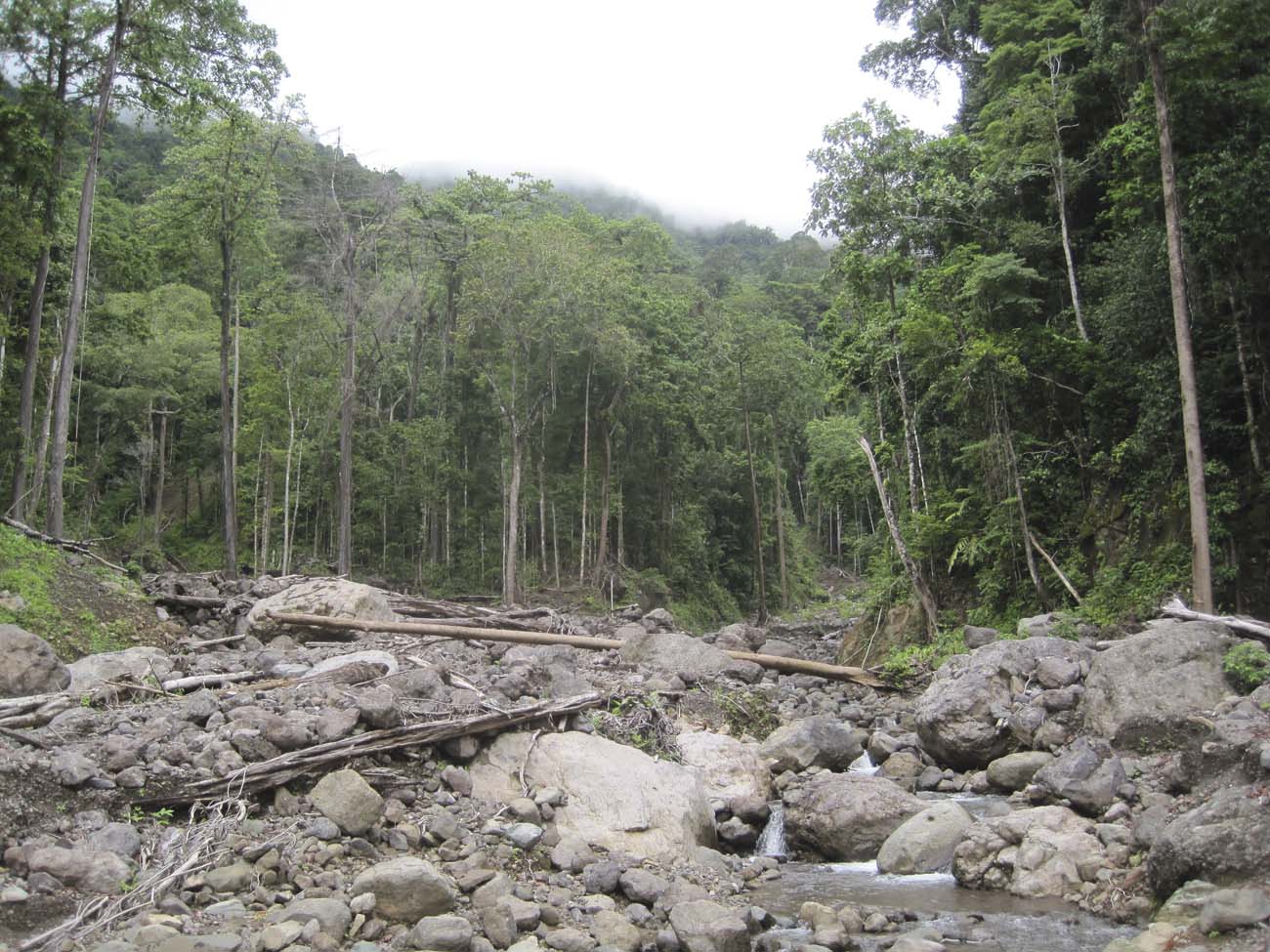
Kali Samsem: A significant river with a constant flow. In 2018, a landslide caused by heavy rainfall swept away all vegetation. Prior to that, we had collected by light the valley once.
Kali Yakut: Trapped several times and explored by collecting by light at night. So far we have not been able to get above the big waterfalls, even though the stream still has a considerable yield there.
Kali Selatan: A significant river with a steady flow. In 2018, a landslide caused by heavy rainfall swept away all vegetation. Prior to that, we had done one collecting by light in the valley.
Waibin: You have to sail through a wide mangrove zone to reach it. It is a slow-flowing, meandering, medium-flowing stream. In the upper part, one side branch ends in a 20m high calcareous tufa slope. We collected more than 5 times on the lower and middle reaches during the day and 3 times at night.
Ron: A narrow mangrove zone must be navigated to approach. Not navigable at low tide. There is a small farm and ranch adjacent. We trapped the creek more than 5 times and also did daytime collection. Full length of the creek was travelled due to dragonflies.
Sarinam: A special river in a huge mangrove bay. In fact only the upper, quite narrowed, swampy part has fresh water, fed by a small stream. Its side waters are short and intermittent. Only one light trap has been operated on the upper stream and a few on the side streams.
'Marco's Creek: A small, sometimes dry, short stream with an earthy bed. The light trap was used on a few occasions, the entire length of the stream was traversed by dragonflies.
Warai: Perhaps the most beautiful watercourse on the island. It is difficult to access the valley through a wide mangrove zone. Its lower reaches sometimes dry out, but higher up you have to climb up 6-8m calcareous tufa waterfalls. The middle section is again gently sloping, but at the top and at one of the side waterfalls, a steep wall of limestone tufa between 30 and 60-70 metres high makes access difficult. Its source is above 400 m, a spring from a calcareous tufa mass. We have also lamp trapped on a few occasions, but have basically been exploring by night-time single collection lamping on dozens of occasions. The uppermost part was accessed only 1 time. Due to dragonflies, the entire length of the river is covered, but something new and interesting always turns up.
Weras: one of the streams on the north side that is not bordered by mangroves. The riverbed runs out to sea, but we have never seen water in it. 6-700 metres inland, water appears from springs in the riverbed. Upstream, 2-3 m of calcareous tufa stairs dissect the bed, and the valley side is steep and rocky. Above these is a narrow, still-flowing small stream. The stream is trapped on several occasions, and on one occasion collecting by light took place in its middle reaches.
Waridor: the longest stream on the island. The lower part is 20 metres wide, an open bed with several side creeks. The lower section was trapped and lamped at night on several occasions. However, we only made it to the middle, closed section on 1 occasion - 1 day's ascent. We also carried out a full fish faunistic and dragonfish survey in the lower section.
Forum: one of the most isolated streams on the island, several hours from any settlement. It has an 8-metre waterfall in the lower reaches to block its channel from intrusion. We collected 4 times with light in the middle section, while a light trap was operating downstream. Regarding the dragonflies it always hides something interesting.
Wailebet: A small stream that provides water for the settlement. Sometimes the flow drops off completely and only the pools have water. The lower reaches regularly dry up. The spring is where the village water is drained. It is navigable along its entire length due to dragonflies. There has also been a light collection here.
Tanjung Lampu: A stream with variable flow, the lower reaches regularly dry up. It has been surveyed several times for dragonflies, but always turns up something interesting. It has been surveyed several times by night collecting by light.
Kali Samsem: A significant river with a constant flow. In 2018, a landslide caused by heavy rainfall swept away all vegetation. Prior to that, we had collected by light the valley once.
Kali Yakut: Trapped several times and explored by collecting by light at night. So far we have not been able to get above the big waterfalls, even though the stream still has a considerable yield there.
Kali Selatan: A significant river with a steady flow. In 2018, a landslide caused by heavy rainfall swept away all vegetation. Prior to that, we had done one collecting by light in the valley.
Standing waters
Minlii: A lake covering several hectares, 200 metres from the coast. There is no inlet, only the morphology of the valley, which collects and retains rainwater. Underneath, excess water flows out through a swamp. It has a very high organic matter content, practically soup-like. In 2020 it became completely saline. It is thought that the low rainfall has evaporated the freshwater layer above the saline water. It has been regularly tested since 2017 because of its dragonflies.
Mandur: Although not located on Batanta but on the nearby island of Arefi, we return here regularly. Moreover, it is located in the middle of the municipality, receiving part of the village's wastewater. We have never caught any sea otters here, but the dragonfly population is significant and varied.
Birie rawa: Not on Batanta, but next to the PapuaParadise Eco Resort on Birie Island.
It is the most studied dragonfly habitat and has been continuously monitored and collected since 2014. The dragonfly fauna is rich, but there are no caddisflies.
Mandur: Although not located on Batanta but on the nearby island of Arefi, we return here regularly. Moreover, it is located in the middle of the municipality, receiving part of the village's wastewater. We have never caught any sea otters here, but the dragonfly population is significant and varied.
Birie rawa: Not on Batanta, but next to the PapuaParadise Eco Resort on Birie Island.
It is the most studied dragonfly habitat and has been continuously monitored and collected since 2014. The dragonfly fauna is rich, but there are no caddisflies.